

Introduction: A Green Escape in the Heart of Mumbai
Mumbai is a city known for its bustling streets, tall skyscrapers, and fast-paced lifestyle. Yet, amid this urban chaos lies a serene green oasis—Jijamata Udyan, popularly known as Rani Baug. Located in Byculla, it is not only Mumbai’s oldest public garden but also home to a zoo and a vast botanical garden. Established during the British colonial era, it continues to be one of the city’s most loved family attractions, offering a unique blend of history, nature, and education.
For families, students, tourists, and nature enthusiasts, Jijamata Udyan provides a refreshing escape into a world filled with exotic plants, fascinating animals, and heritage structures that speak of Mumbai’s glorious past.
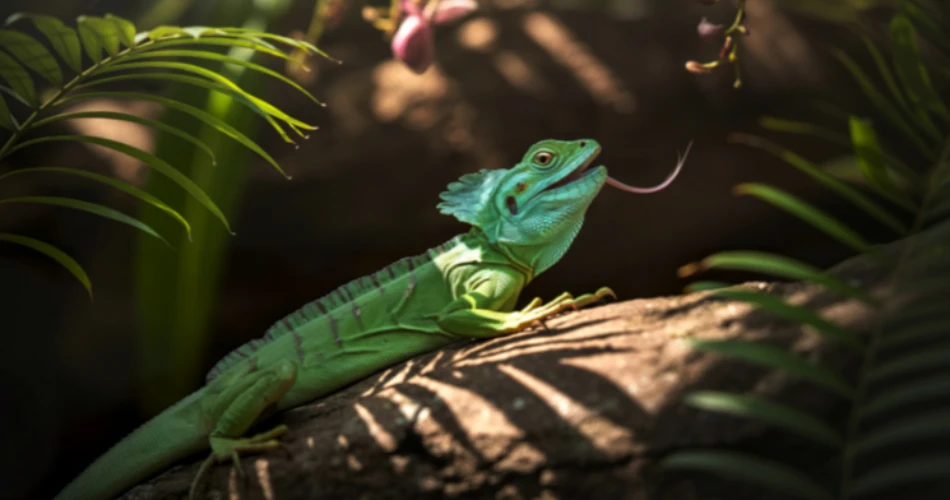
History of Jijamata Udyan (Rani Baug)
The history of Jijamata Udyan dates back to 1861, when it was originally laid out by the British as the Victoria Gardens. Spread over 50 acres, it was designed as a public space for recreation and botanical research. Later, it was renamed Jijamata Udyan in honor of Jijabai, the mother of Chhatrapati Shivaji Maharaj, reflecting its cultural and historical significance for Maharashtra.
Over the decades, Rani Baug has served multiple purposes. It was a recreational garden for the citizens of Bombay (now Mumbai), a research hub for botanists, and eventually developed into a full-fledged zoological garden. Its legacy makes it not just a green retreat but also a heritage landmark that connects the past with the present.
Walking through its pathways today, visitors can still spot colonial-era structures, old fountains, and historic statues, which make it a living museum of Mumbai’s evolution.

The Botanical Garden: A Paradise for Plant Lovers
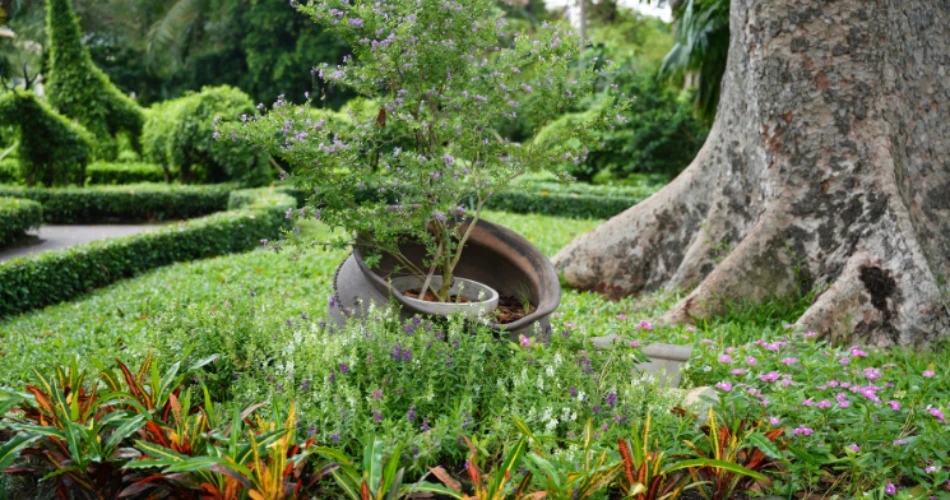
The botanical section of Jijamata Udyan is a major attraction for those who appreciate biodiversity. With thousands of trees, plants, and shrubs spread across its vast area, it serves as an urban jungle in the middle of the city. The garden houses rare and exotic species from across India and abroad, making it a delight for researchers, students, and nature enthusiasts.
Highlights include towering Baobab trees, majestic palms, flowering shrubs, and medicinal plants. Many of these plants are labeled with their scientific names, turning a stroll here into an educational experience. Seasonal flowers add bursts of color, while shaded pathways make it a popular spot for morning walks and family picnics.
For children and school groups, the botanical garden becomes a live classroom, teaching the importance of greenery, conservation, and biodiversity.
The Zoo: Meeting Mumbai’s Wildlife Residents
While the botanical garden offers tranquility, the Byculla Zoo within Jijamata Udyan brings excitement and curiosity. The zoo is home to a variety of animals, reptiles, and birds, making it a favorite spot for children and families. Recent renovations have added modern enclosures, better habitats, and more facilities to ensure the welfare of animals.
Visitors can spot tigers, leopards, hyenas, elephants, crocodiles, peacocks, and several exotic birds. The zoo has also introduced penguins, which instantly became a major attraction, drawing huge crowds eager to watch these playful creatures.
Apart from entertainment, the zoo plays a significant role in spreading awareness about wildlife conservation and offers children an opportunity to see animals up close in a safe and educational environment

Architectural and Cultural Heritage of Rani Baug
Beyond its natural wonders, Jijamata Udyan is dotted with historic monuments and statues that add to its cultural value. One of the most notable structures is the Dr. Bhau Daji Lad Museum, which stands within the premises of Rani Baug. This museum, with its Indo-Roman architectural style, showcases the city’s industrial, cultural, and economic history.
Other heritage features include colonial-era fountains, stone benches, and bronze statues of iconic leaders. The combination of history, art, and nature makes Rani Baug a truly unique attraction in Mumbai, appealing not only to families but also to history buffs and photographers.

Why Jijamata Udyan is a Must-Visit in Mumbai
There are many gardens and attractions in Mumbai, but Jijamata Udyan stands out because it offers a multi-dimensional experience. It combines:
-
Nature – A green retreat with exotic trees and flowers.
-
Wildlife – An exciting zoo with animals and birds.
-
Education – Learning opportunities for children and students.
-
Heritage – Historic structures and cultural significance.
Whether you’re a tourist exploring Mumbai or a local looking for a weekend escape, Rani Baug offers something for everyone. It is especially popular for family outings, school picnics, and photography enthusiasts who love capturing nature and heritage together.
Visitor Information: Timings, Tickets & How to Reach
Planning a visit to Jijamata Udyan is simple. Here’s everything you need to know:
-
Timings: Open daily from 9:00 AM to 6:00 PM (closed on Wednesdays).
-
Tickets: Entry is very affordable, making it accessible for everyone. Special charges may apply for the zoo.
-
Location: Situated in Byculla, South Mumbai, the garden is easily accessible by local trains, buses, and cabs. The Byculla railway station is right next to the entrance.
Visitors are encouraged to maintain cleanliness, respect the animals, and enjoy the garden responsibly. Early mornings and late afternoons are the best times to visit, especially in cooler months.

Conclusion: Preserving Nature and Heritage Together
Jijamata Udyan, or Rani Baug, is more than just a zoo or a botanical garden—it is a symbol of Mumbai’s balance between heritage and modernity. It connects generations, educates children, and provides a much-needed green escape in a city that never sleeps.
As one of Mumbai’s oldest and most beloved landmarks, it continues to remind us of the importance of preserving both nature and history. A visit here is not just an outing; it’s an experience of discovery, learning, and relaxation.
So, the next time you’re in Mumbai, make sure to explore Jijamata Udyan—where history, wildlife, and greenery come alive together.