

Introduction: Dharavi Beyond the Headlines
Dharavi, located in the heart of Mumbai, is often portrayed in stark contrasts. Popularly known as Asia’s largest slum, it sprawls across barely 2.1 square kilometers but houses nearly a million people. While global media often reduces Dharavi to poverty and overcrowding, this dynamic neighborhood tells a different story — one of enterprise, creativity, resilience, and culture. From thriving small-scale industries and artisan workshops to a closely-knit community spirit, Dharavi represents the beating heart of Mumbai’s informal economy.
To truly understand Dharavi, one must go beyond stereotypes and see it as a living ecosystem that drives innovation, hard work, and determination every single day. This blog explores the many sides of Dharavi — its economy, culture, history, and people — offering a perspective that’s as vibrant as the neighborhood itself.
Dharavi’s Unique History and Origins
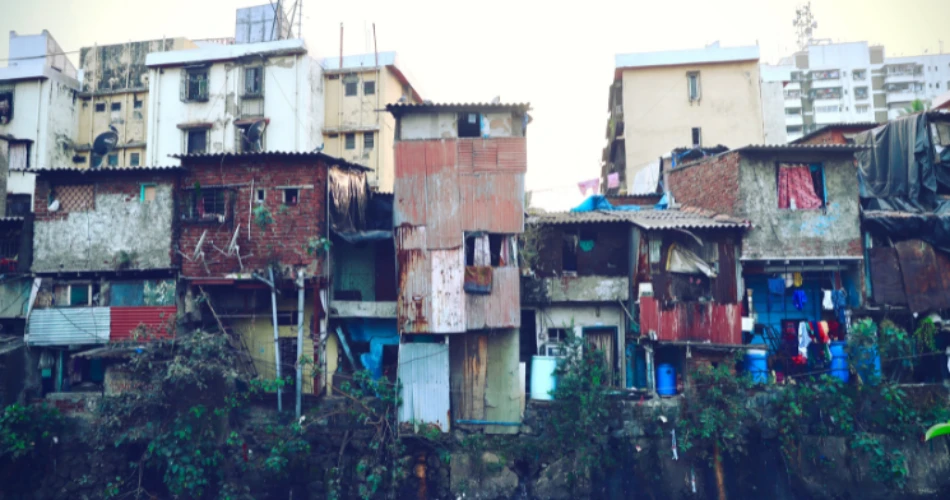
Dharavi’s roots stretch back to the late 19th century when it began as a settlement for potters, tanners, and fisherfolk who migrated to Mumbai. Over time, it became a magnet for migrants across India, drawn to the city of dreams in search of opportunities. With limited urban planning, Dharavi grew organically, developing into a maze of narrow lanes, small homes, workshops, and bustling markets.
Despite being labeled a “slum,” Dharavi has been a space of resilience and adaptation. Its communities preserved traditions while embracing innovation, making it a mosaic of cultures, languages, and religions. Today, Dharavi is not merely a residential space but also a historical testament to Mumbai’s rapid urbanization and the spirit of its working-class migrants.
Dharavi as an Economic Powerhouse
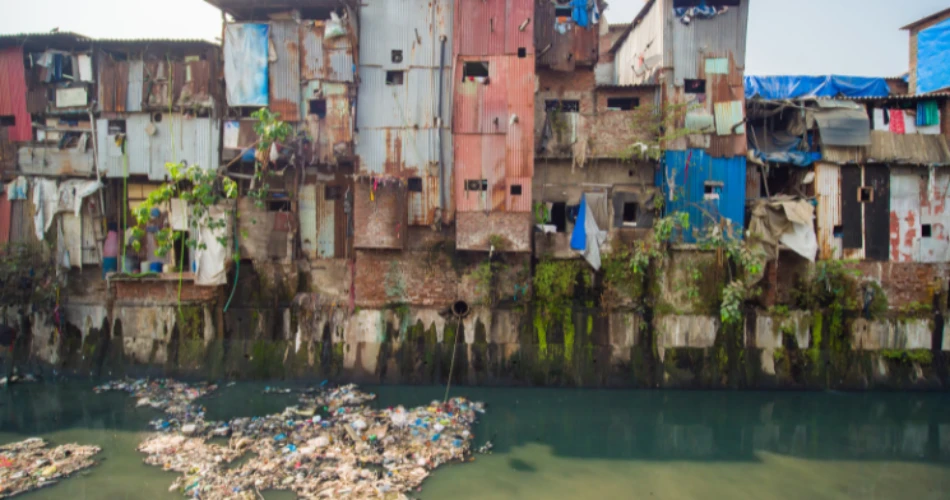
Contrary to common perceptions, Dharavi is far from being a place of despair. It is an economic hub generating nearly USD 1 billion annually through thousands of small-scale industries. From leather goods and textiles to pottery, recycling, and food production, Dharavi thrives on enterprise. Every narrow alley is a workplace where innovation happens with minimal resources.
Leather products made in Dharavi are exported worldwide, while the recycling industry is a model of circular economy. Workers collect, sort, and repurpose waste from across Mumbai, making Dharavi one of the city’s most sustainable hubs. This industriousness has made Dharavi a backbone of Mumbai’s economy, proving that talent and determination can flourish even in challenging conditions.
The Cultural Mosaic of Dharavi
Dharavi is home to people from across India — Tamils, Gujaratis, Marathis, Uttar Pradeshis, and more. This cultural diversity is reflected in its festivals, food, art, and languages. Walk through Dharavi’s narrow streets, and you’ll hear conversations in multiple dialects, smell the aroma of different cuisines, and see temples, mosques, and churches standing side by side.
This diversity creates a unique cultural mosaic. Ganesh Chaturthi processions fill the air with music and devotion, while Eid celebrations bring people together over feasts. Food stalls serve everything from spicy Tamil curries to Maharashtrian snacks, making Dharavi a culinary adventure. Despite economic struggles, its people celebrate life with infectious vibrancy.
Dharavi and Tourism: A New Perspective
In recent years, Dharavi has become a destination for slum tourism, attracting visitors who want to understand its unique ecosystem. Guided tours showcase the industries, workshops, and communities, giving travelers an authentic glimpse into Dharavi’s resilience and enterprise.
Unlike sensationalized portrayals, these tours focus on empowerment and education, highlighting how people create opportunities in limited spaces. Visitors often leave inspired by the hard work, creativity, and optimism of Dharavi’s residents. For many, it transforms their understanding of urban poverty and resilience, showing Dharavi as a place of pride, not pity.
The Role of Art, Music, and Creativity
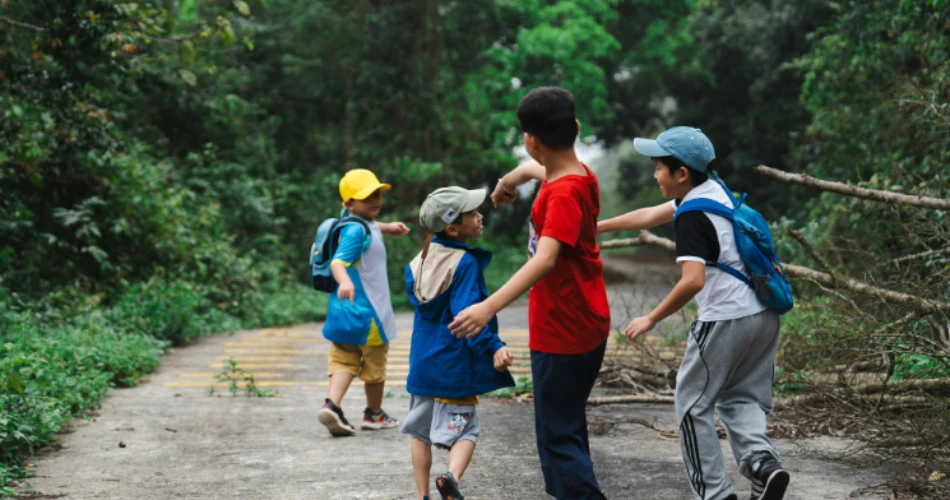
Beyond industry and commerce, Dharavi is also a hub of creativity. Street art projects, hip-hop groups, and local crafts have gained international recognition. The Dharavi Dream Project, for example, nurtures young musicians and rappers who use art to express their realities.
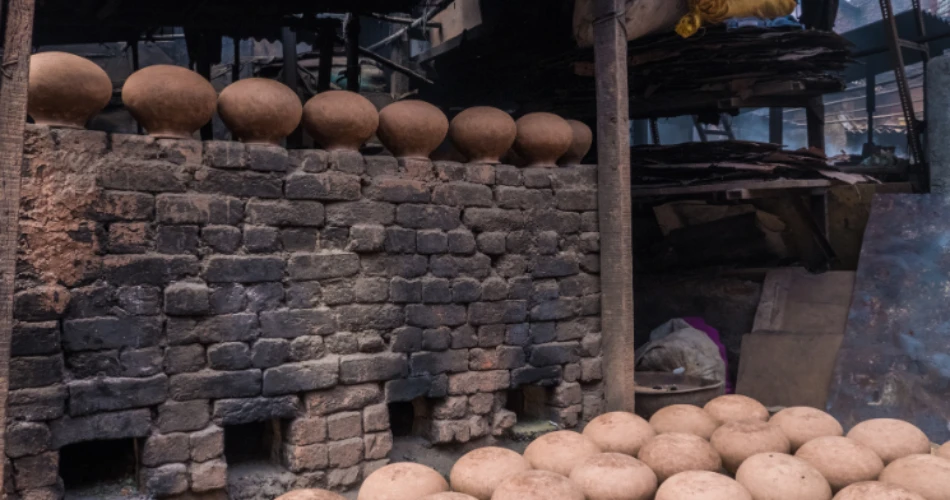
Art in Dharavi goes beyond aesthetics — it’s a tool for storytelling, empowerment, and community building. Pottery and handicrafts passed down generations continue to thrive, blending tradition with innovation. Creativity is not confined to galleries here; it thrives in everyday spaces, from graffiti walls to small stages where children perform dance and music.
Challenges Dharavi Faces Today
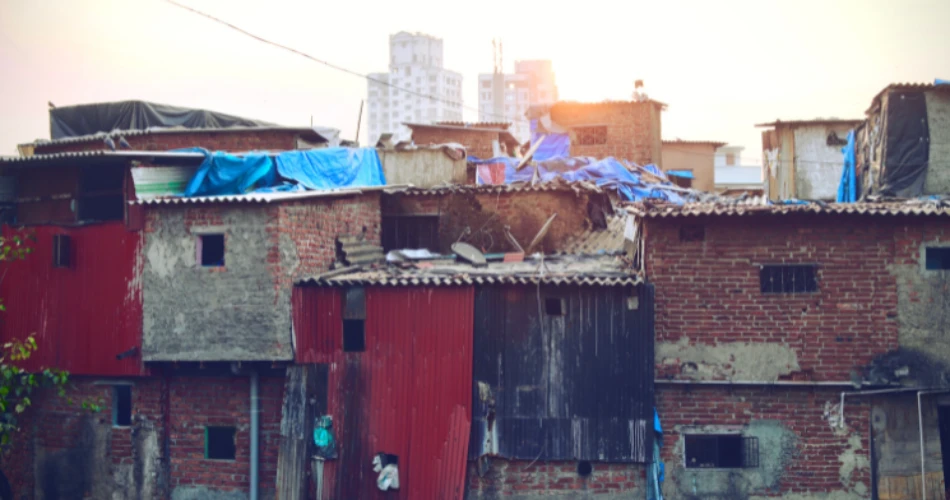
Despite its strengths, Dharavi struggles with significant challenges. Overcrowding, lack of sanitation, and limited infrastructure are pressing issues. Healthcare access is strained, and educational opportunities remain uneven. Moreover, redevelopment plans have sparked debates — while some argue modernization is essential, others fear it may erase Dharavi’s unique character and displace communities.
Balancing progress with preservation is the biggest challenge. Policymakers, urban planners, and NGOs continue to work toward inclusive solutions, but Dharavi’s future remains a complex issue. However, the resilience of its residents suggests that whatever the path forward, their spirit will continue to shine through.
Lessons the World Can Learn from Dharavi
Dharavi is more than just a neighborhood — it is a global lesson in innovation, sustainability, and resilience. Its recycling model showcases how urban waste can be turned into opportunity. Its community networks reveal the strength of solidarity, while its industries demonstrate the power of entrepreneurship against odds.
In an age where cities worldwide struggle with inequality and sustainability, Dharavi offers inspiration. It proves that resourcefulness and determination can transform challenges into opportunities. Instead of being dismissed as a slum, Dharavi deserves recognition as a model of human spirit and enterprise.
Conclusion: Dharavi as a Symbol of Resilience
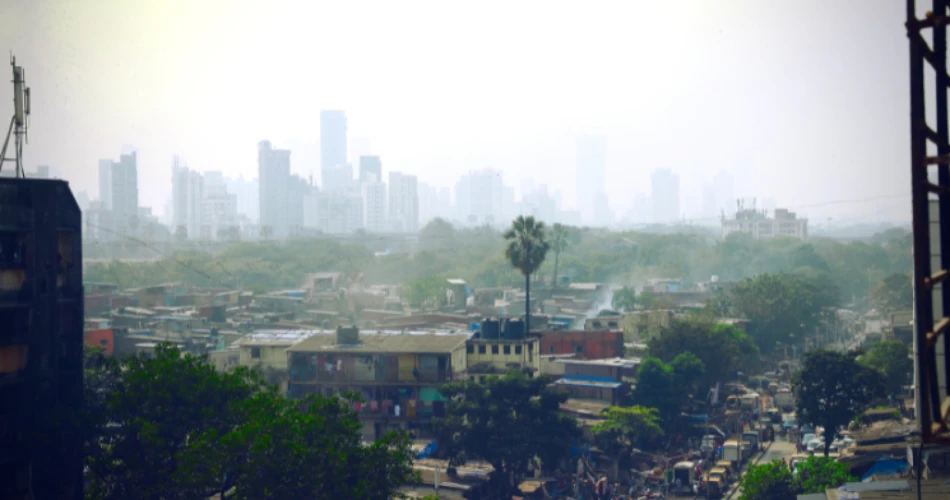
Dharavi, Asia’s largest slum, is often misrepresented but remains one of Mumbai’s most powerful symbols of resilience and enterprise. Its people are not defined by poverty but by their innovation, hard work, and cultural vibrancy. Dharavi stands as a reminder that even in the toughest conditions, the human spirit can create progress, beauty, and hope.
Visiting or learning about Dharavi is not just about understanding a neighborhood; it’s about appreciating a way of life that inspires the world.