

Introduction: Street Food Love Without Limits
Indian street food is legendary for its bold flavors, vibrant aromas, and affordable bites. While pav bhaji often steals the spotlight, the country’s streets hold a far wider range of vegetarian delights waiting to be savored. From the tangy crunch of chaats to the soft warmth of momos, street vendors transform humble ingredients into unforgettable experiences. This blog takes you beyond pav bhaji to explore India’s vegetarian street food diversity, one irresistible dish at a time.
Chaats: Tangy, Crunchy, and Irresistible
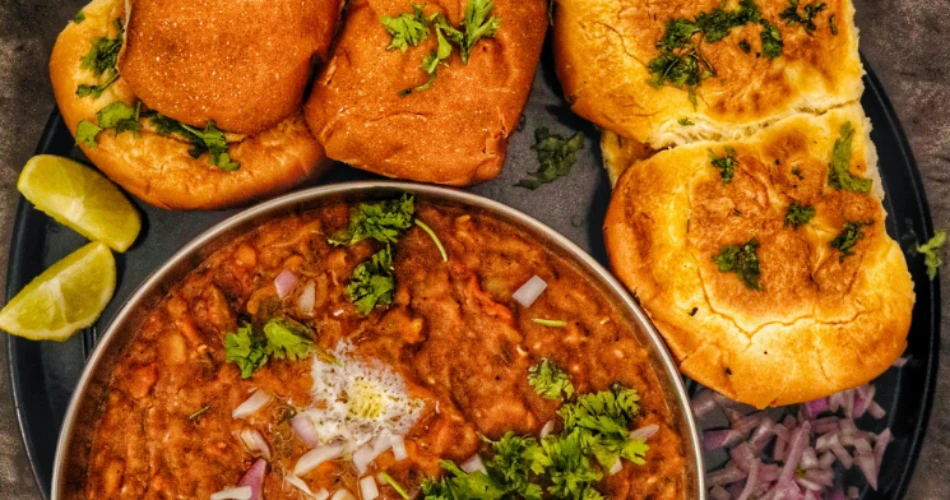
No conversation about Indian street food is complete without mentioning chaats. These tangy, spicy, and sweet snacks come in countless variations across regions. Pani puri (or golgappa) bursts with spiced water and potato filling, dahi puri balances yogurt creaminess with crispy shells, and sev puri layers chutneys, spices, and sev for a delightful crunch.
Chaats are more than snacks – they’re cultural experiences. Each bite tells a story of local traditions, flavor balance, and experimentation. Vendors constantly innovate, adding cheese, pomegranate seeds, or flavored waters to make their chaats stand out. What makes them irresistible is the balance of taste profiles: sweet, salty, spicy, and sour all in one bite.
For vegetarians, chaats are not just an option but a celebration. They prove that Indian street food can be flavorful, fulfilling, and completely meat-free.
Dosas and Idlis: South India on the Streets
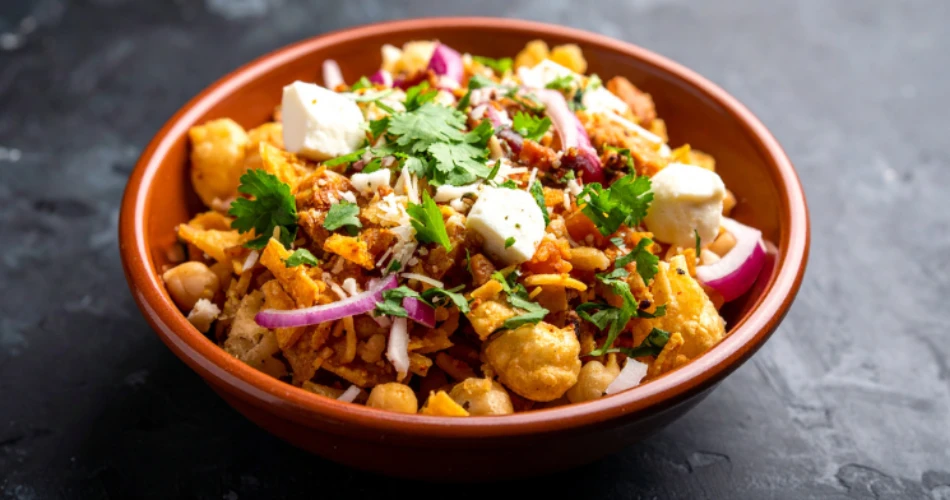
South India has taken its staple breakfast items – dosa and idli – to street-side stalls across the country. Dosas are crisp, paper-thin crepes made from fermented rice and lentil batter, often stuffed with masala potatoes or cheese. On the other hand, idlis are soft, steamed rice cakes served with coconut chutney and sambar.
Street-side dosas now go beyond traditional masala fillings. Cheese dosas, chocolate dosas, and even pizza dosas are gaining popularity among younger foodies. Vendors often prepare them on large iron tavas, spreading the batter with expertise and flipping them until perfectly golden.
The appeal of dosas and idlis lies in their lightness, versatility, and comforting flavors. They are ideal for vegetarians seeking a healthy yet indulgent street option.
Vada Pav: The Indian Veggie Burger
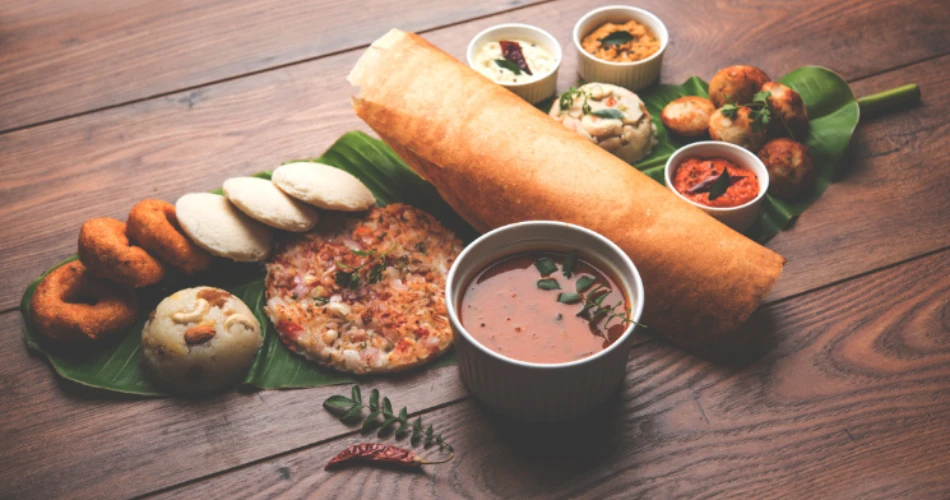
Often called the “poor man’s burger,” vada pav is Mumbai’s favorite snack. A spiced potato patty (vada) is deep-fried and sandwiched between a soft pav (bun), usually accompanied by garlic chutney and fried chilies.
Vada pav is more than food – it’s a cultural icon. Affordable, filling, and available on nearly every corner in Mumbai, it reflects the fast-paced lifestyle of the city. Street vendors offer creative versions, adding cheese, mayo, or extra chutneys to appeal to modern tastes.
For vegetarians, vada pav is a fulfilling, protein-packed option that brings the joy of street food without meat. Its simplicity and flavor have made it a beloved snack across India.
Momos: From Tibet to Indian Streets
Originally from Tibet and Nepal, momos have become a street food sensation in India, especially in Delhi, the Northeast, and hill stations. These dumplings are typically filled with vegetables like cabbage, carrots, and onions, then steamed or fried to perfection.
Street-side momo stalls serve them with fiery red chili chutney and mayonnaise, creating a flavor punch. Variations like tandoori momos, cheese momos, and fried momos show how versatile this dish has become in Indian street food culture.
Vegetarians love momos for their simplicity and comforting nature. They offer a lighter, healthier option compared to fried snacks, while still being indulgent and satisfying.

Kathi Rolls and Frankie Wraps
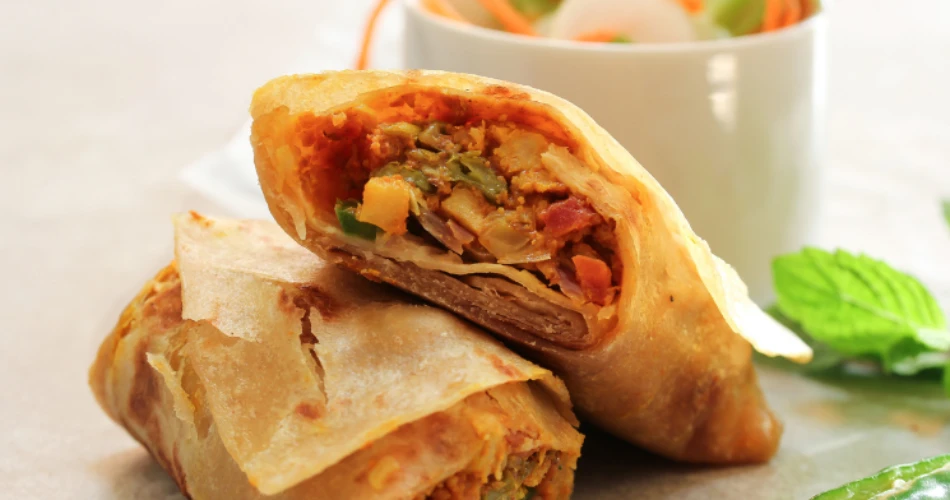
Kathi rolls and frankies are proof that vegetarian street food can be handheld, filling, and portable. Originating from Kolkata, kathi rolls feature parathas stuffed with spiced fillings, while frankies from Mumbai use flour wraps with tangy sauces.
For vegetarians, these wraps often include paneer tikka, mushroom masala, potato fillings, or mixed vegetables. Vendors add chutneys, onions, and seasonings to create a snack bursting with flavor in every bite.
The growing popularity of wraps among younger crowds shows how vegetarian street food is evolving to match modern lifestyles. These are not just snacks but complete meals rolled up in paper.
Regional Specialties: Beyond the Obvious
India’s street food scene goes far beyond the popular dishes. Each region has unique vegetarian offerings worth discovering:
-
Gujarati Farsan: Khaman dhokla, fafda, and khandvi.
-
Rajasthan: Mirchi vada and pyaaz kachori.
-
Bihar: Litti chokha.
-
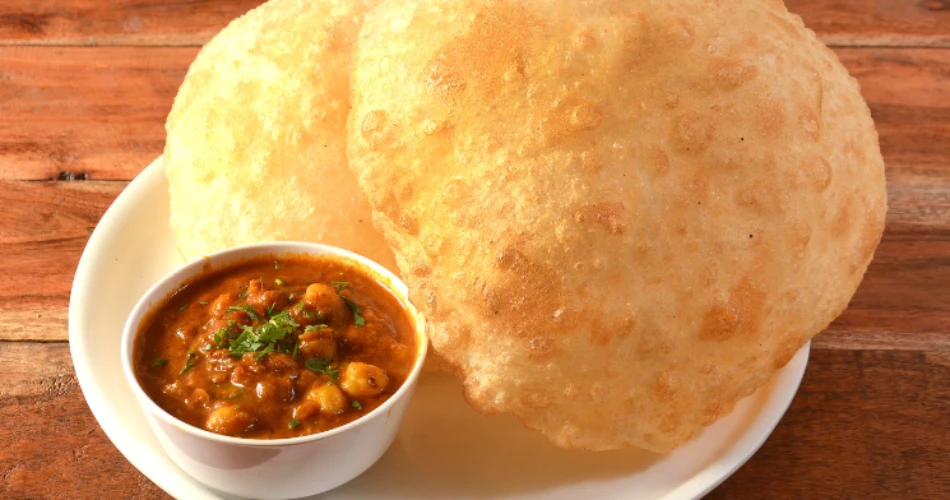
Punjab: Chole kulche.
These regional eats reflect local flavors and ingredients, making them more than just snacks – they’re culinary heritage. Traveling across India, you’ll find these specialties sold in bustling markets, each with its distinct character.
Exploring regional vegetarian street food allows you to taste traditions often overlooked by mainstream food guides. It’s like discovering hidden gems of India’s street culture.
Sweet Endings: Desserts on the Streets
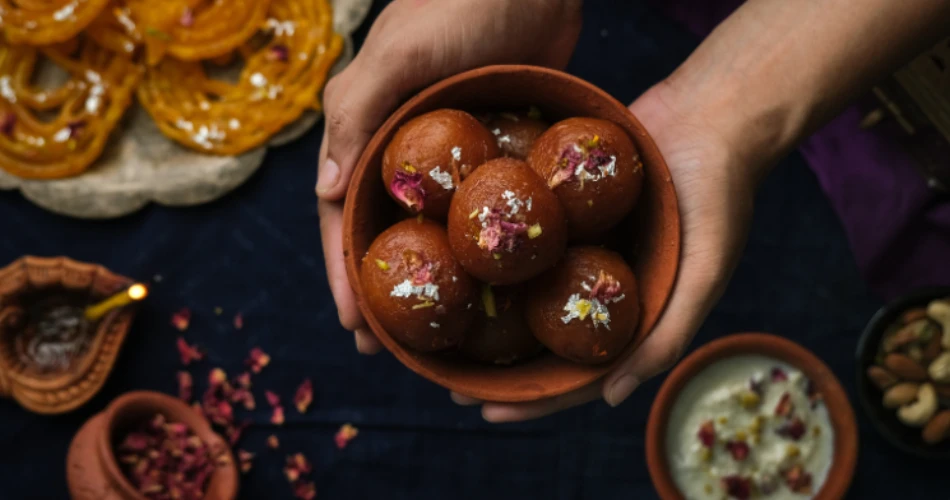
Street food is not only savory. India’s streets also overflow with vegetarian desserts and sweets. From kulfi (traditional ice cream) and jalebi (crispy sugar spirals) to gulab jamun and rasgulla, the dessert scene is as diverse as the savory one.
Kulfi carts in summer offer cooling relief, while jalebi stalls attract long queues during festivals. Rasmalai, malpua, and ghevar add to the sweet list of vegetarian delights. These desserts often come infused with cardamom, saffron, or rose water, making them uniquely Indian.
Ending a street food tour with something sweet completes the experience. Desserts show how vegetarian food isn’t just about sustenance but indulgence and celebration.
Conclusion: A Vegetarian Feast Beyond Pav Bhaji
Vegetarian street food in India is a feast for the senses. While pav bhaji remains iconic, dishes like chaats, dosas, momos, vada pav, and regional specialties prove there’s much more to explore. These snacks highlight the creativity, diversity, and inclusiveness of Indian cuisine. Whether you’re a dedicated vegetarian or simply a foodie, India’s street eats promise a flavorful journey that goes far beyond the familiar pav bhaji.